Men's Vitality After 35: Hormonal Health, Sexual Wellness & Lifestyle Factors
Men's vitality — energy, hormonal balance, and sexual wellness — is deeply influenced by lifestyle. The science increasingly shows that daily habits determine far more than genetics when it comes to how men feel and function in their 35s, 40s, and beyond.
Understanding "Men's Vitality"
Men's vitality encompasses a cluster of interconnected health dimensions: energy levels, hormonal balance (primarily testosterone), sexual function, pelvic health, and overall sense of physical and mental wellbeing. These dimensions are not independent — they influence each other through shared physiological mechanisms.
After age 35, testosterone levels decline at approximately 1% per year on average. While this is a normal biological process, lifestyle factors can significantly accelerate or slow this decline — and profoundly influence how men experience age-related changes in sexual function and energy.
A 2023 systematic review in Andrology journal found that obese men had testosterone levels 10–25% lower than healthy-weight counterparts. A separate study found that men sleeping under 5 hours had testosterone equivalent to men 10–15 years older. These are modifiable factors.
Key Lifestyle Drivers of Men's Vitality
1. Sleep: The Most Underrated Factor
The majority of daily testosterone is produced during REM and deep sleep stages. Chronic sleep deprivation (under 6 hours) suppresses LH (luteinizing hormone) — the primary signal for testosterone production. Men with sleep apnea — common in Indonesian men due to the prevalence of obesity and supine sleeping habits — often have significantly reduced testosterone levels.
- Aim for 7–9 hours of quality sleep in a cool room (23–25°C)
- Maintain a consistent sleep schedule, including weekends
- Avoid screens 60 minutes before bed (blue light suppresses melatonin)
- Consider sleep apnea evaluation if you snore heavily or wake exhausted
2. Exercise: Strength Training & the Testosterone Connection
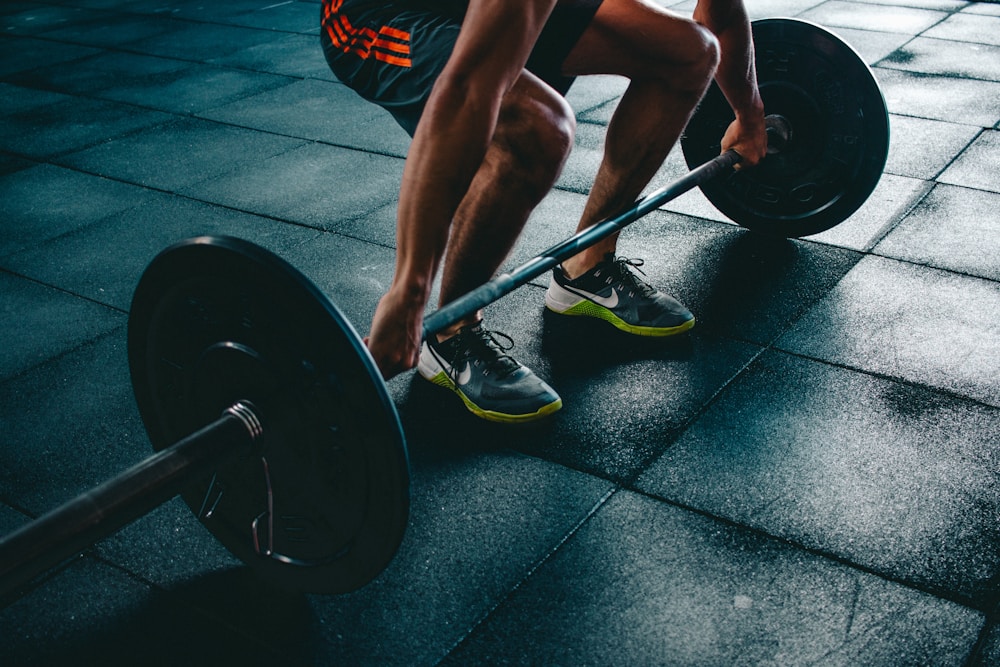
Resistance exercise (particularly compound movements like squats and deadlifts) produces acute testosterone spikes and supports long-term hormonal regulation. Conversely, excessive endurance exercise without adequate recovery can temporarily suppress testosterone. The optimal approach for most men is 2–3 resistance sessions per week plus daily low-intensity movement (walking, swimming).
3. Stress & Cortisol
Cortisol and testosterone are inversely related — chronically elevated cortisol (from work stress, financial pressure, relationship difficulties) directly suppresses testosterone production. For men in Jakarta's high-pressure urban environment, stress management is arguably the most impactful lifestyle intervention available.
Evidence-supported approaches: 20-minute daily meditation, regular nature exposure, limiting news consumption, protecting leisure time, and building strong social connections.
4. Body Weight & Metabolic Health
Adipose (fat) tissue contains aromatase — an enzyme that converts testosterone to estrogen. Excess abdominal fat is therefore directly associated with lower testosterone and higher estrogen levels in men. Weight loss through diet and exercise consistently improves hormonal profiles in overweight men.
5. Understanding Erectile Dysfunction: Lifestyle Factors
Erectile dysfunction (ED) has both vascular and psychological components. From a lifestyle perspective, the most significant contributors are: cardiovascular disease risk factors (smoking, hypertension, high cholesterol), diabetes and insulin resistance, obesity, chronic stress and depression, sleep deprivation, and sedentary lifestyle.
In younger men (under 40), ED is more often psychogenic (performance anxiety, stress) or related to lifestyle factors. In older men, vascular causes predominate. Either way, lifestyle modification is consistently the first recommendation in international urology guidelines before pharmacological intervention is considered.
Erectile dysfunction and low testosterone are medical conditions requiring proper evaluation by a physician or urologist. Do not self-medicate with over-the-counter supplements or herbal products, which are largely unregulated and may interact with medications. If you are concerned about sexual function or hormonal health, consult a licensed endocrinologist or urologist for proper hormonal assessment (blood tests including total testosterone, free testosterone, LH, FSH).
A Practical Vitality Improvement Plan
- 🌙 Sleep 7–8 hours consistently — track your sleep with a simple app
- 🏋️ 2–3 resistance sessions per week — squats, rows, push-ups are sufficient
- 🚶 Daily 30-min walk — reduces cortisol, improves insulin sensitivity
- 🥗 Anti-inflammatory diet — reduce sugar and processed foods; increase vegetables, fish, zinc-rich foods
- 🧘 Stress management practice — 15–20 minutes daily
- 🚭 Avoid tobacco — smoking causes vascular damage directly affecting erectile function
- 🩺 Annual health checkup — including metabolic panel and hormonal assessment if over 40
Content on this site is educational only. Prostatitis requires professional diagnosis. If you experience pelvic pain, urinary symptoms, or changes in sexual function, consult a urologist (spesialis urologi) promptly.